Steve Borden (BS/CE, ’91) and a team of fellow Engineering Vols were instrumental in the response to rebuild Tennessee roadways after Hurricane Helene.
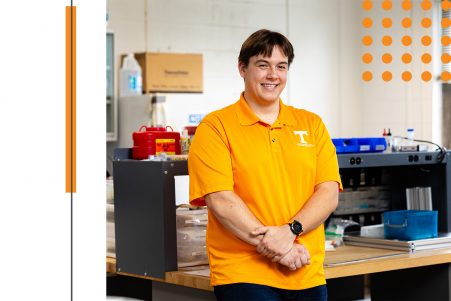
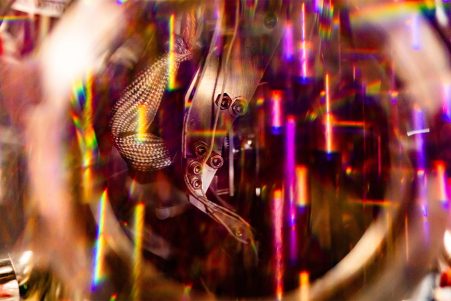
Mariya Zhuravleva is helping the Department of Homeland Security detect illicit radioactive cargo and securing our safety through the design of new materials.
Chancellor’s Professor Kevin Tomsovic has been elected to the National Academy of Engineering, earning one of the highest international honors available to engineering professionals and researchers.
UT Assistant Professors Sai Swaminathan and Sukanya Moudgalya have teamed up with a local nonprofit to tackle food inequity and bring engineering skills to high school students.
Lynne Parker, professor in electrical engineering and computer science, was named the founding director of the new National Artificial Intelligence Initiative Office.
A new enhanced collaboration between UT and Y-12 National Security Complex will lead to career-enhancing opportunities for Tickle College of Engineering students.
The University of Tennessee led a groundbreaking demonstration that showcased Army soldiers with no previous additive manufacturing experience printing and repairing a part for a Bradley Fighting Vehicle.
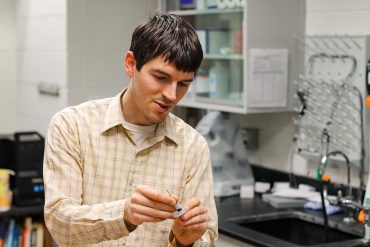
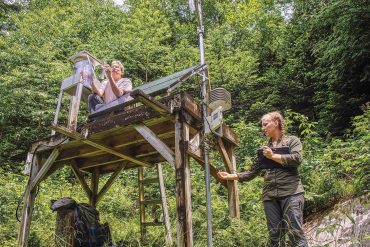
John Schwartz and civil and environmental engineering graduate students are taking adventurous steps to ensure the quality of our water and air is in check.
Professors in civil and environmental engineering, Lee Han and Asad Khattak, are working with UTC and UTSI to develop standards and testing for autonomous vehicles.